
Have A Question?
The Many Advantages of Solar Energy: Why You Should Switch
Making the switch to solar energy is easier with GES Energy on your side. From design to installation and maintenance, we handle it all for your convenience. Get in touch to get started.
When it comes to renewable energy sources, solar power is one of the most popular options. There are many advantages to solar energy that make it a great choice for businesses. Keep on reading to know the reasons why you should switch to solar.
What is solar energy and how is it produced?
Solar energy is a type of renewable energy that is produced by converting sunlight into electricity. Solar panels are used to capture the sun's energy and convert it into usable electricity. This process is called the photovoltaic effect. Solar energy is a clean, renewable energy resource that can be used to power your business.
How does solar energy work?
The solar panels are made up of photovoltaic cells that capture light from the sun. This energy is then converted into electricity and excess energy is stored in batteries for future use. It is also possible to connect solar panels with the main electricity grid to help reduce your electricity bills.
Solar panels are most efficient during the day when there is plenty of sunlight. However, they can still generate electricity at night. The amount of power generated depends on the size of the solar panel and how much sunlight it gets.
Different Types of Solar Energy
There are three main types of the solar system: photovoltaic (PV) cells, concentrated solar power (CSP), and solar water heating.
Photovoltaic Solar Energy
PV cells are the most common type of solar energy system and can be used for a variety of applications, including powering businesses, charging batteries, and running small electronics.
Solar photovoltaic energy is made by turning sunlight directly into electricity by using an electronic process that happens naturally in some types of materials.
Photovoltaic solar panels do not produce heat, so they can't be used for solar energy storage.
Concentrated Solar Power
CSP uses mirrors or lenses to concentrate sunlight onto a small area to generate heat, which is then used to power a turbine that produces electricity.
CSP systems can be used to store solar energy in the form of heat, which can be released when needed to generate electricity or for other purposes such as space heating and cooling.
Solar Water Heating
Solar water heaters use sunlight to heat water in a tank, which is then used for domestic hot water or space heating. Solar water heaters are typically less expensive than PV cells and CSP systems, and they have the added benefit of providing hot water even when the sun isn't shining.
Advantages of Solar Energy
1. Solar energy is clean
Solar power is a clean energy source that does not emit any harmful gases or particulates into the environment. It does not pollute the air and water, unlike burning fossil fuels. With solar, you can help the environment stay clean and healthy for future generations.
2. Solar energy is renewable
Solar energy is a renewable source of energy that can last for hundreds of years if well maintained and managed properly. It doesn’t run out like other non-renewable sources of energy such as coal, oil, fossil fuels and gas, which are expected to run out in a few decades. There are no known limits to solar energy supply, which means it will be available for thousands of years to come!
3. Solar energy is economical and cost-effective
Unlike many other renewable energy sources such as wind and hydroelectric that require massive amounts of capital investment to set up, solar panels can be purchased at affordable prices on your own without any financial assistance from the government or banks. You don’t have to pay any interest on loans or wait years before you start saving money from solar panels. You will start saving money from day one!
4. Solar energy is easy to install and maintain
Solar panels are pre-wired, which means all the wiring work is done for you by the panel manufacturer. All you need to do is mount the panels on your roof and connect them to your existing energy supply.
Once installed, solar panels require very little maintenance. There are no moving parts, so there’s nothing that can break or wear out over time. The only thing you have to check is whether the panels are still clean of dust and debris after a storm or a heavy rainfall. If so, just give them a good wipe with a damp cloth and they’re as good as new!
5. Solar energy is safe and reliable
Solar energy systems can be installed by anyone with basic knowledge of electrical wiring work. You may need an electrician or any other professional help to install solar panels on your rooftop or in your business premises. With little maintenance required after installation, solar power systems are very reliable and will provide free energy for many years to come!
6. Solar energy is environment-friendly
Solar energy is one of the most environment-friendly sources of power. When you use solar energy, you don’t have to worry about creating any kind of pollution or greenhouse gases. Solar energy is also free from harmful emissions and toxic chemicals that can harm the environment. This makes it a great option for those who want to leave a smaller footprint on the planet.

7. Solar energy is affordable
Solar energy has become very affordable in comparison to other sources of power like coal and oil. The cost of solar panels has dropped significantly over the last decade and this has made it far more affordable for anyone who wants to install them in theirs or businesses. In fact, solar panels are now cheaper than fossil fuels which makes them an attractive investment option for many people as well as businesses that are looking to save on their utility bills in the long run.
8. Solar energy produces low emission
Solar energy produces low emission of carbon footprint which helps reduce the number of greenhouse gases in the atmosphere. It’s also more sustainable and reliable than traditional forms of energy which are likely to run out sooner than later. It’s also easier to produce and you don’t have to rely on natural resources like oil, fossil fuels or gas for its production.
While there are a lot of advantages to solar energy, there are also some disadvantages that you should be aware of before making the switch.
Disadvantages of Solar Energy
1. Solar energy is dependent on the sun
The efficacy of solar energy is largely dependent on where you live. Solar energy can only be generated when there’s sunlight, which means it’s not available at night or on cloudy days. This can make it unreliable as a sole source of power for some people, particularly those who live in areas that don't get that much sunlight. Solar energy is also intermittent because in some regions the sun doesn’t always shine brightly, especially during the winter months. This means that solar panels may not generate enough electricity to meet your needs during these times.
2. Solar energy is expensive to set up initially
It's a widely known fact that the cost of installing solar panels is expensive - at least at first. A solar system requires a large upfront investment due to the many components involved, plus the installation costs. However, thankfully, the cost of solar panels and an entire solar system has dropped significantly in recent years. Other than that, the Australian Government actively looks for ways to make solar more accessible to everyone, such as by offering rebates.
3. Solar system takes up a lot of space
Solar panels are often installed on rooftops or in open spaces like fields and parking lots. This means that they can take up a lot of space, which may not be available in densely populated areas. Solar farms can also be an eyesore for some people and can adversely impact the environment if not properly managed.
Despite these disadvantages, solar energy still remains one of the most promising sources of renewable energy that is widely available. With its many benefits, it’s no wonder that more and more people are making the switch to solar.
Join the Green Revolution
Solar energy is a great alternative energy source that has many advantages over traditional forms of energy. It’s renewable energy, which means it's environmentally friendly, and can save you money in the long run. However, it’s important to weigh the pros and cons carefully before making the switch to solar power. It is a great way to save money and help the environment, but it may not be a viable option for you. Do your research to see if solar power is right for you.
At GES Energy, we provide solar engineering solutions to help you make the switch to solar energy. We offer a variety of services, including solar panel installation with batteries, design, and the maintenance of solar technologies. Contact us today so we can help you determine if solar energy is feasible for you.
Browse by Categories
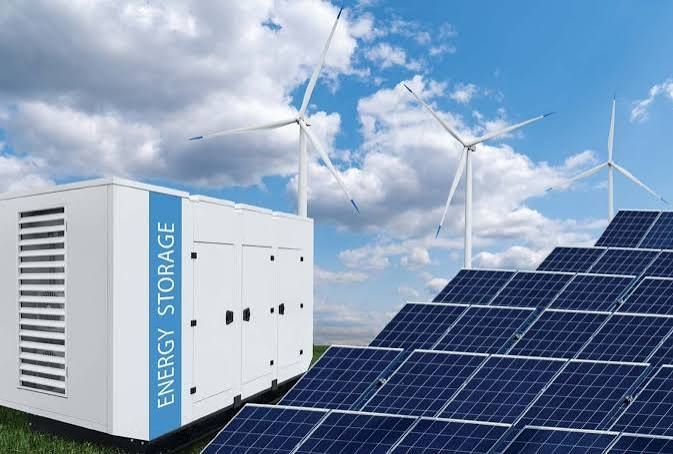
Solar energy can be a smart way to generate electricity for your home or business. However, solar panels only produce energy when sunlight is available. This means you may still need electricity from the grid during the evening or when solar production is low. Battery storage provides a way to store energy for later use. A Deye inverter and battery storage system can work with solar panels to manage energy production, storage, and household or business consumption. Deye offers residential hybrid inverter and energy storage solutions designed for different system sizes and applications. For property owners looking for Deye Inverter & Battery Storage in Greater Victoria , GES Energy can help with system design, product selection, and professional installation. The right solution depends on your electricity usage, existing solar system, property requirements, and energy goals. What Is a Deye Hybrid Inverter? A hybrid inverter is an important part of a solar and battery storage system. It helps manage electricity from your solar panels, battery, home, and the grid. This allows energy to be used where it is needed and stored when appropriate. Deye offers a range of residential hybrid inverters for different applications. Its Australian residential range includes single-phase and three-phase models with different power capacities and battery configurations. This flexibility can make Deye suitable for a range of homes and energy requirements. However, the correct inverter should always be selected based on the property's electrical system and expected energy demand. How Does Deye Battery Storage Work? The process is straightforward. During the day, your solar panels generate electricity. Your home or business can use that electricity immediately. If your solar system produces more energy than you need at that time, compatible battery storage can store some of the excess energy. You can then use the stored energy later. This can be particularly useful when solar production falls in the evening or during periods when your electricity demand is higher. Deye's current home energy storage systems combine battery storage, hybrid inverter technology, and energy management features. Some Deye systems are also designed to provide backup power to connected loads during a grid outage. Why Consider Battery Storage in Greater Victoria? Energy consumption does not always match solar production. Your solar panels may generate their highest output during the middle of the day, while your household may use more electricity in the morning and evening. Battery storage can help close this gap. Instead of using all your solar electricity immediately or exporting excess energy, you can store some of it and use it later. GES Energy explains that solar batteries can store solar energy for later use and help property owners make greater use of their solar generation. The company provides battery storage design and installation services across Victoria. Store More of Your Solar Energy One of the main reasons people consider battery storage is to make better use of their solar power. A solar system can produce more electricity than your property needs at certain times of the day. A compatible battery can store some of that excess energy. You can then use the stored energy when your solar panels are producing less electricity. This can create a more flexible energy system. Instead of relying only on the timing of solar production, you have the option to use stored energy when it suits your needs. Battery Storage for Backup Power Power outages can interrupt important household and business activities. Depending on the system design, a battery storage system can provide backup power to selected loads when the grid goes down. Deye's current residential energy storage range includes systems with backup support for connected loads. The amount of power available during an outage depends on the selected equipment, battery capacity, electrical configuration, and the loads connected to the backup system. For this reason, backup requirements should be discussed during the design stage. You may want to keep essential lighting, refrigeration, communications, or other important equipment operating during an outage. Deye Inverter and Battery Storage for Existing Solar Systems You do not necessarily need to install a completely new solar system to consider battery storage. In some situations, battery storage can be added to an existing solar installation. However, compatibility must be checked first. Your existing inverter, solar array, electrical system, and proposed battery need to work together correctly. A professional assessment can identify the most suitable approach. GES Energy provides solar battery solutions for Victorian homes and businesses and can assess your existing energy setup before recommending a storage solution. Choosing the Right Battery Size Battery capacity is normally measured in kilowatt-hours, or kWh. The capacity you need depends on how much electricity your property uses and how you want to use the battery. A household that mainly wants to store excess solar energy may have different requirements from a household that wants significant backup capacity. Businesses can also have different requirements because their electricity demand may be higher or concentrated at particular times. Deye offers scalable storage solutions. For example, its current All-In-One Home ESS range can be configured with different inverter power levels and expandable battery capacity. The right size should be determined from your actual energy usage rather than simply choosing the largest available battery. Deye Battery Storage for Homes Every home has a different electricity profile. Some homes use most of their electricity during the day, while others have higher demand in the evening. A battery can help shift stored solar energy to the times when it is needed. This can make your solar system more useful throughout the day. For homeowners in Greater Victoria, a professional energy assessment can help determine whether battery storage is suitable and what system configuration may work best. Deye Battery Storage for Businesses Businesses can also benefit from energy storage. Commercial properties often have larger electricity loads and may use significant amounts of energy during operating hours. Battery storage can provide another way to manage energy generated by a commercial solar system. Depending on the system design, stored energy can be used when required, while smart energy management can help coordinate solar generation, battery charging, and electricity consumption. Deye also provides energy storage solutions for commercial and industrial applications, with different system configurations available for different energy requirements. Smart Energy Management Modern battery systems do more than simply store electricity. Energy management is an important part of understanding how your solar and battery system operates. Deye's current residential energy storage systems include energy management and monitoring features. Depending on the selected system, users can monitor energy production, consumption, battery status, and other system information. Monitoring can help you understand how much energy your solar panels are producing and how your battery is being used. This information can also help you make better decisions about your household energy consumption. Why Professional Installation Matters Battery storage is a significant electrical installation. It needs to be designed and installed correctly for safe and reliable operation. Energy Safe Victoria notes that battery energy storage systems have important safety requirements and that installations should meet applicable regulations and standards. It also highlights the need to assess switchboards when adding battery systems or other supplementary supplies. Professional installation is therefore an important part of the process. A qualified installer can assess the property, review the electrical system, determine suitable equipment, and configure the system according to the installation requirements. Why Choose GES Energy? Choosing the right battery is only one part of a successful energy storage project. The design and installation are equally important. GES Energy provides solar battery design and installation services for residential and commercial customers across Victoria. The company states that its Victorian battery installers are accredited by Solar Accreditation Australia and that it provides a five-year workmanship guarantee on its solar power projects. GES Energy can help you understand your available options and determine whether a Deye inverter and battery system is appropriate for your property. A Complete Approach to Solar and Battery Storage A good energy storage system should be designed around your property. Your electricity consumption, solar generation, backup requirements, available space, and future energy needs should all be considered. Deye offers different inverter and battery configurations, including single-phase and three-phase options. This allows the system to be selected according to the property's requirements rather than using one standard solution for every customer. GES Energy can assess these factors before recommending a system. This helps ensure that the inverter and battery are appropriate for your existing or planned solar installation. Is Deye Inverter & Battery Storage Right for You? Deye inverter and battery storage may be worth considering if you already have solar panels or are planning a new solar system. It can also be an option if you want to store excess solar energy, increase your use of stored energy, or explore backup power. However, the best system depends on your property. Your electricity consumption and solar generation should be reviewed before selecting equipment. A professional assessment can help you understand the available options and avoid choosing a system that does not match your actual requirements. Get Deye Inverter & Battery Storage in Greater Victoria If you are considering Deye Inverter & Battery Storage in Greater Victoria , GES Energy can help you explore your options. From system design and equipment selection to installation, professional guidance can make the process easier and more straightforward. Battery storage can help you use solar energy beyond the hours when your panels are producing electricity. With the right inverter, battery, and system design, your property can have a more flexible approach to energy management. GES Energy provides solar and battery storage solutions across Victoria. Contact the team to discuss your energy requirements and find out whether a Deye inverter and battery storage system is suitable for your home or business. Frequently Asked Questions
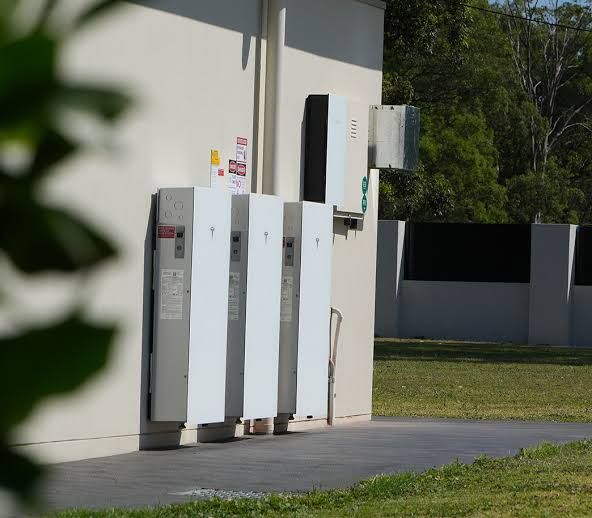
In 2026, a NSW home can cut roughly 30% off a new battery through the federal Cheaper Home Batteries Program, then earn an extra NSW payment by joining a virtual power plant. Businesses now get even more: since 1 September 2026, a new NSW business battery discount can be combined with the federal one. NSW battery rebates at a glance There are two main sources of help: the Australian Government's battery discount and the NSW Government's Peak Demand Reduction Scheme. Which ones you can get depends on whether you are a home, an apartment building or a business.
In 2026, a NSW business can combine up to three government incentives on one solar and battery project: the federal solar discount, the federal battery discount and the new NSW business battery discount that started on 1 September 2026. Together they can cover a large share of the project cost, but only when the job is done by the right kind of installer. Commercial solar and battery incentives at a glance A NSW business can stack federal and NSW incentives on the same project. Each is claimed through your installer as a discount on the quote.